
Spine surgery has advanced significantly over the past several decades. New technologies have allowed surgeons to improve precision, enhance surgical planning, and provide more personalized treatment options for patients with complex spinal conditions.
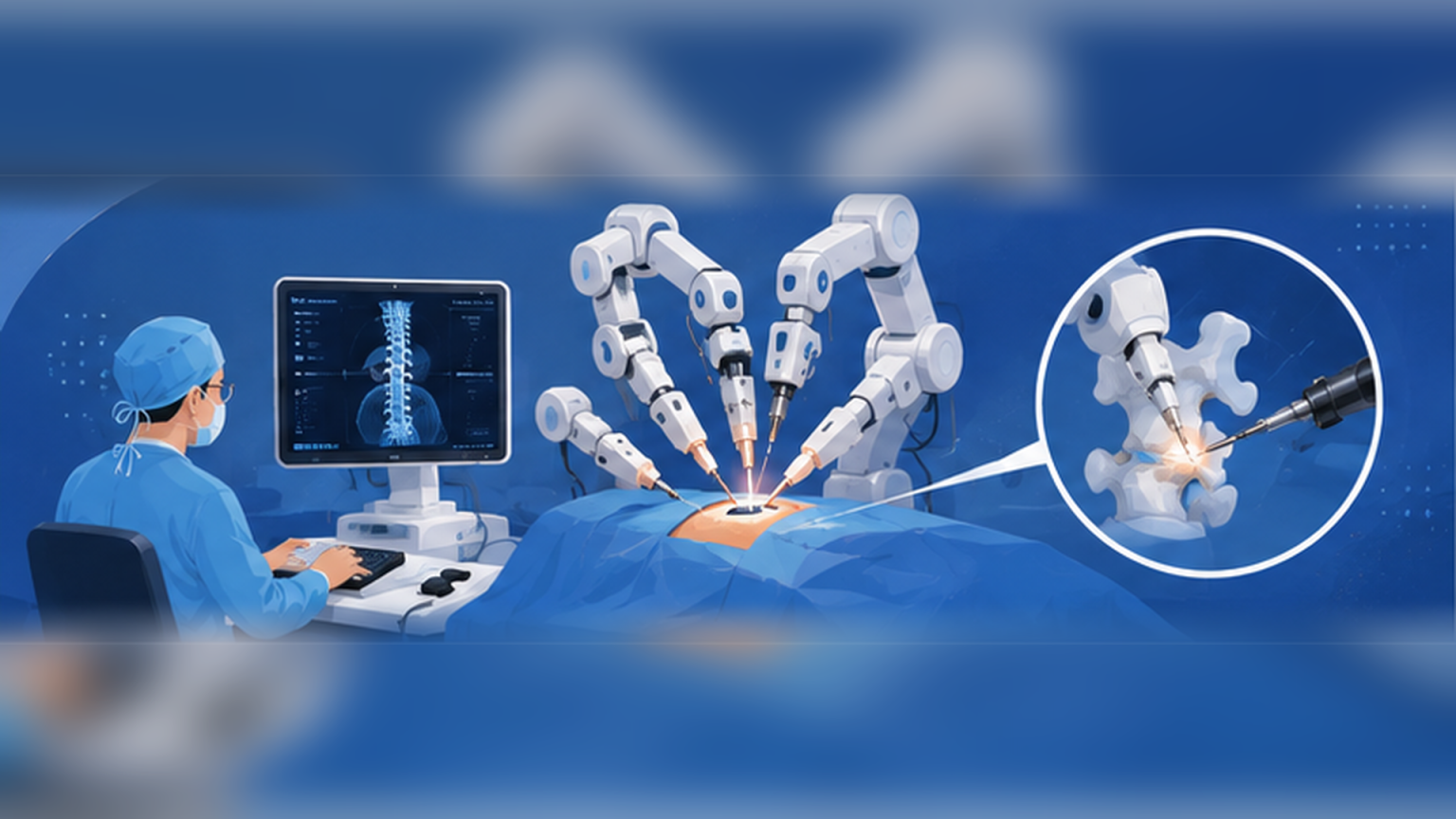
One of the most important advancements in modern spine care is robotic spine surgery. This technology combines advanced imaging, computer-assisted planning, and robotic guidance to help surgeons perform certain spinal procedures with greater accuracy.
Many patients researching their treatment options ask, “Is robotic spine surgery safer?” While robotic technology does not replace the skill and experience of a spine surgeon, it can provide additional support during carefully selected procedures.
At Texas Spine Group, Dr. Muhammad Zain Mirza, M.D., provides advanced spine surgery Texas patients can trust. As a board-certified and fellowship-trained orthopedic spine surgeon, Dr. Zain uses modern surgical techniques and advanced technology when appropriate to help patients achieve the best possible outcomes.
For patients considering robotic spine surgery Texas options, understanding how this technology works, its benefits, limitations, and recovery process can help them make informed decisions.
What Is Robotic Spine Surgery?
Robotic spine surgery is an advanced surgical approach that uses robotic guidance technology to assist surgeons during spinal procedures.
The robot does not perform surgery independently. Instead, it acts as a highly precise guidance system that helps the surgeon plan and execute movements with improved accuracy.
During robotic spine surgery, the surgeon remains fully in control while using technology to:
- Plan the surgical approach
- Improve implant placement accuracy
- Navigate complex spinal anatomy
- Increase procedural precision
- Support minimally invasive techniques
The goal of robotic assistance is to enhance surgical precision while maintaining the surgeon’s expertise and decision-making.
How Does Robot-Assisted Spine Surgery Work?
Robot-assisted spine surgery combines advanced imaging, computer software, and robotic guidance.
The process typically involves several steps.
Pre-Surgical Planning
Before surgery, detailed imaging is used to create a customized surgical plan.
Planning may involve:
- CT scans
- MRI images
- Three-dimensional spinal models
- Digital surgical mapping
- Implant positioning planning
This allows the surgeon to evaluate spinal anatomy before entering the operating room.
During Surgery
During the procedure:
- The robotic system provides guidance
- The surgeon follows the planned pathway
- Specialized instruments assist with accuracy
- Real-time imaging helps confirm positioning
- Implants can be placed with improved precision
The surgeon continues to make all critical decisions throughout the procedure.
After Surgery
After surgery, patients receive follow-up care to monitor:
- Healing
- Pain improvement
- Mobility
- Fusion progress when applicable
- Return to daily activities
Is Robotic Spine Surgery Safer?
Many patients ask, “Is robotic spine surgery safer than traditional techniques?”
The answer depends on the individual patient, procedure, surgeon experience, and overall health.
Robotic technology may improve certain aspects of surgery by supporting:
- More accurate implant placement
- Better pre-operative planning
- Reduced surgical variability
- Improved visualization
- Minimally invasive approaches
However, robotic technology does not eliminate all surgical risks. The experience of the spine surgeon, proper patient selection, and careful surgical planning remain the most important factors.
Benefits of Robotic Spine Surgery
For appropriate patients, robotic spinal surgery may provide several potential advantages.
Improved Surgical Precision
One of the main benefits of robotic spine surgery is improved accuracy during certain procedures.
Potential advantages include:
- More precise implant positioning
- Better alignment planning
- Improved consistency during complex procedures
- Enhanced control in challenging anatomy
Precision is especially important during spinal fusion procedures where implant placement affects long-term stability.
Enhanced Surgical Planning
Robotic systems allow surgeons to create detailed surgical plans before the procedure begins.
This may help with:
- Understanding spinal anatomy
- Choosing implant sizes
- Determining optimal placement
- Preparing for complex cases
Better planning can support more predictable surgical outcomes.
Minimally Invasive Robotic Spine Surgery
Robotic assistance may support minimally invasive approaches for selected patients.
Potential benefits of minimally invasive robotic spine surgery include:
- Smaller incisions
- Less muscle disruption
- Reduced blood loss
- Less postoperative discomfort
- Faster early mobility
- Shorter hospital stays
- Reduced tissue damage
Not every patient is a candidate for minimally invasive techniques, but robotic assistance may expand options for certain conditions.
Reduced Radiation Exposure in Some Cases
Traditional fluoroscopic guidance can require repeated imaging during surgery.
Robotic systems may help reduce reliance on continuous imaging during certain procedures by using pre-operative planning and navigation.
The actual radiation exposure depends on the specific procedure and technology used.
What Conditions Can Robotic Spine Surgery Treat?
Robotic spine surgery may be used for selected patients requiring spinal procedures.
Potential applications include:
- Spinal fusion surgery
- Degenerative disc disease treatment
- Spinal instability
- Spondylolisthesis
- Spinal deformity correction
- Certain fractures
- Revision spine surgery
- Complex implant placement
The suitability of robotic surgery depends on the patient’s diagnosis, anatomy, and surgical goals.
Robotic Spine Surgery vs Traditional Spine Surgery
Both robotic-assisted and traditional spine surgery rely on surgeon expertise and careful planning.
The main difference is the additional technology used during robotic procedures.
Traditional Spine Surgery
Traditional surgery may involve:
- Standard imaging guidance
- Manual implant placement
- Conventional surgical planning
Robotic Spine Surgery
Robotic-assisted surgery may involve:
- Advanced pre-operative planning
- Computer-guided navigation
- Robotic assistance during implant placement
- Three-dimensional imaging support
Robotic technology is designed to assist surgeons rather than replace traditional surgical skills.
Who Is a Candidate for Robotic Spine Surgery?
Not every patient needs or qualifies for robotic surgery.
A patient may be considered based on:
- Type of spinal condition
- Need for instrumentation
- Complexity of surgery
- Spinal anatomy
- Overall health
- Previous surgeries
- Treatment goals
Dr. Zain evaluates each patient individually to determine whether robotic assistance provides meaningful advantages.
Robotic Spinal Surgery Recovery
Recovery after robotic spinal surgery depends on the procedure performed and the patient’s overall health.
Because many robotic procedures are combined with minimally invasive approaches, some patients may experience benefits such as reduced early discomfort and faster mobility.
Early Recovery
Patients may experience:
- Surgical soreness
- Mild stiffness
- Fatigue
- Temporary activity limitations
- Gradual improvement in symptoms
Recovery Guidelines
Patients are commonly advised to:
- Follow activity restrictions
- Take medications as prescribed
- Attend follow-up appointments
- Walk regularly as recommended
- Avoid heavy lifting
- Complete physical therapy when appropriate
Long-Term Recovery
Long-term recovery depends on:
- Type of surgery
- Fusion healing
- Patient health
- Rehabilitation progress
- Lifestyle habits
Following the surgeon’s instructions is essential for optimal recovery.
How Dr. Zain Uses Advanced Spine Technology
At Texas Spine Group, Dr. Zain focuses on using the right treatment approach for each patient.
Advanced spine care may involve:
- Detailed diagnostic evaluation
- Advanced imaging
- Minimally invasive techniques
- Robotic-assisted procedures when appropriate
- Personalized surgical planning
- Comprehensive recovery support
Technology is used as a tool to improve precision while maintaining patient-centered decision-making.
Why Choose Texas Spine Group for Advanced Spine Surgery?
Patients searching for advanced spine surgery Texas options need experienced care combined with modern technology.
Texas Spine Group provides:
- Board-certified spine expertise
- Fellowship-trained surgical experience
- Advanced diagnostic evaluation
- Robotic and minimally invasive options when appropriate
- Personalized treatment plans
- Complex spine surgery expertise
- Comprehensive post-operative care
- Long-term recovery guidance
Dr. Zain works with patients to explain their condition, treatment options, and expected outcomes.
When Should You See a Spine Surgeon?
You should consider evaluation by a spine specialist if you experience:
- Persistent back pain
- Neck pain
- Nerve pain
- Numbness or tingling
- Muscle weakness
- Difficulty walking
- Spinal instability
- Symptoms that do not improve with conservative treatment
- Concerns about needing spine surgery
A detailed evaluation can help determine whether surgery, including robotic-assisted options, may be appropriate.
Conclusion
Robotic spine surgery represents an important advancement in modern spine care by helping surgeons improve planning, precision, and implant placement during certain procedures. While robotic technology can provide valuable support, successful outcomes still depend on accurate diagnosis, surgeon expertise, and personalized treatment planning.
At Texas Spine Group, Dr. Muhammad Zain Mirza, M.D., combines advanced surgical techniques with patient-focused care to help individuals achieve better spinal health. For patients considering robotic spine surgery Texas options, Dr. Zain provides expert guidance to determine whether robotic-assisted treatment is the right choice.
If you are exploring robotic spine surgery, minimally invasive robotic spine surgery, or advanced spine treatment options, visit our contact us page or book appointment with Texas Spine Group today.
FAQs
What is robotic spine surgery?
Robotic spine surgery is an advanced surgical approach that uses robotic guidance technology to assist surgeons during spinal procedures.
Is robotic spine surgery safer than traditional surgery?
Robotic surgery may improve precision and planning, but safety depends on the patient, procedure, surgeon experience, and overall treatment approach.
Does the robot perform the spine surgery?
No. The surgeon remains completely in control. The robotic system provides guidance and assistance during the procedure.
What are the benefits of robotic spine surgery?
Potential benefits include improved implant accuracy, enhanced planning, minimally invasive options, and improved surgical precision.
Is robotic spine surgery minimally invasive?
Robotic assistance may support minimally invasive techniques for selected procedures, which can reduce tissue disruption and support recovery.
What conditions can robotic spine surgery treat?
Robotic procedures may be used for selected spinal fusions, deformity corrections, instability cases, fractures, and other complex spine conditions.
How long is recovery after robotic spine surgery?
Recovery varies depending on the procedure, patient health, and healing progress. Many patients gradually return to activities with proper rehabilitation.
Is robotic spine surgery available in Texas?
Yes. Texas Spine Group provides advanced spine surgery options, including robotic-assisted techniques when appropriate.
Who is a candidate for robotic spinal surgery?
Candidates depend on their diagnosis, anatomy, surgical needs, overall health, and treatment goals.
Why choose Texas Spine Group for robotic spine surgery?
Texas Spine Group provides advanced spine care from Dr. Muhammad Zain Mirza, a board-certified and fellowship-trained orthopedic spine surgeon experienced in modern spine procedures.
Disclaimer
This article is intended for educational purposes only and should not be considered medical advice. Every patient’s condition and surgical needs are different. Always consult a qualified healthcare professional for diagnosis, treatment recommendations, and surgical decisions.


