
Introduction: How Are Modern Techniques Changing Spine Surgery?
For many patients dealing with chronic back or neck pain, the idea of spine surgery can feel overwhelming. Concerns about large incisions, long recovery periods, and returning to daily activities often influence treatment decisions.
Advancements in spine care have introduced less invasive approaches designed to reduce tissue disruption while effectively treating certain spinal conditions. Endoscopic spine surgery is one of these advanced techniques that uses specialized instruments and a small camera to access and treat problems within the spine.
At Texas Spine Group, Dr. Muhammad Zain Mirza, M.D., a board-certified and fellowship-trained orthopedic spine surgeon, uses advanced surgical approaches to provide personalized care for patients with complex spinal conditions. His goal is to help patients understand their options and determine whether a minimally invasive approach may be appropriate for their condition.
What Is Endoscopic Spine Surgery and How Does It Work?
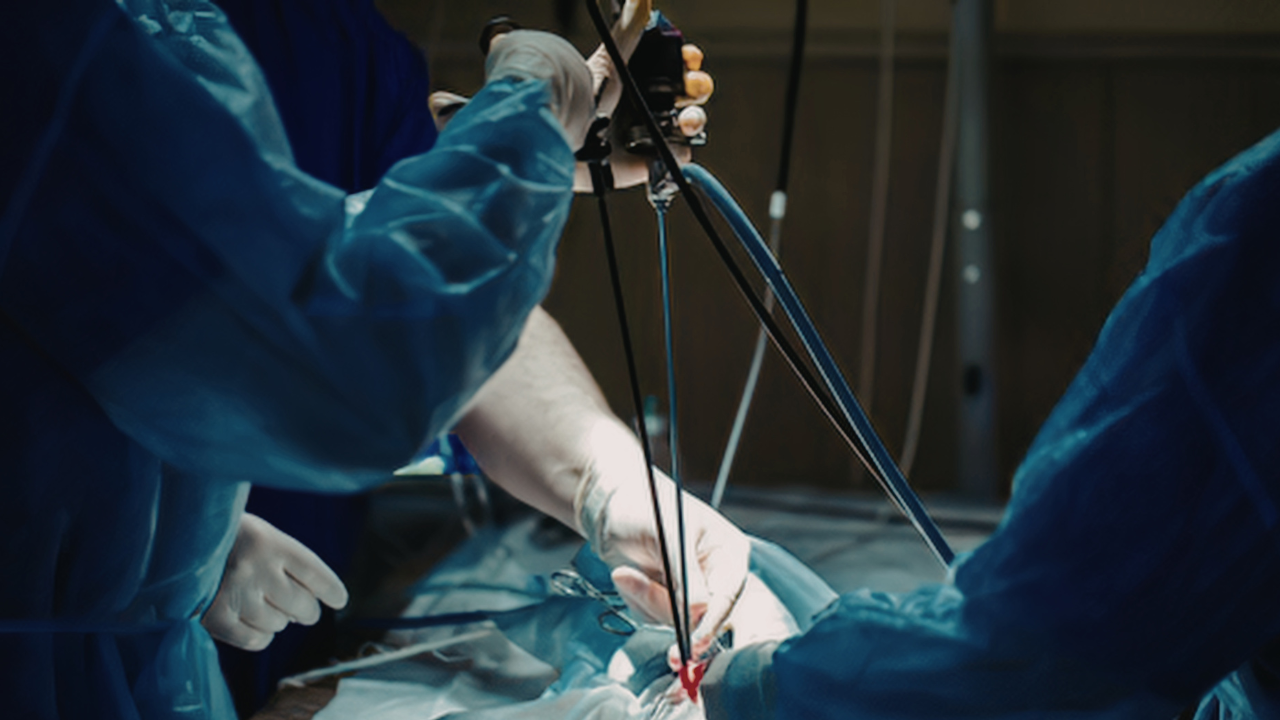
Endoscopic spine surgery is a minimally invasive procedure that uses a small camera called an endoscope along with specialized surgical instruments to treat certain spine problems through a small incision.
Unlike traditional open spine procedures that may require larger incisions and more muscle disruption, endoscopic techniques are designed to access the affected area with less impact on surrounding tissues.
During the procedure:
- A small incision is created near the affected spinal area
- An endoscope provides a magnified view of the surgical site
- Specialized instruments are used to treat the problem
- The incision is closed after completing the procedure
The specific technique depends on the spinal condition being treated, the location of the problem, and the patient’s overall health.
Patients interested in advanced approaches can learn more about laser endoscopic spine surgery and how minimally invasive options may help certain patients.
How Does Dr. Zain Mirza Use Endoscopic Techniques in Spine Surgery?
Every patient’s spine condition is different, which is why treatment decisions require a detailed evaluation.
Dr. Muhammad Zain Mirza uses advanced diagnostic methods to determine whether a patient may benefit from minimally invasive spine procedures.
His approach focuses on:
Accurate Diagnosis Before Treatment
Before recommending surgery, Dr. Mirza evaluates:
- The source of pain
- Spinal anatomy
- Nerve involvement
- Previous treatments
- Overall health
A precise diagnosis helps determine whether endoscopic surgery is the right option.
Targeted Treatment Through Smaller Access Points
Endoscopic techniques allow surgeons to focus on the affected area while minimizing disruption to nearby muscles and tissues.
This approach may be beneficial for certain conditions affecting:
- Spinal nerves
- Disc spaces
- Compressed structures
Personalized Surgical Planning
Not every patient requires the same procedure.
Treatment recommendations are based on:
- The specific spinal condition
- Severity of symptoms
- Patient goals
- Long-term spine health
What Conditions Can Be Treated With Endoscopic Spine Surgery?
Endoscopic techniques may be considered for certain spinal conditions when appropriate.
Depending on the patient’s diagnosis, minimally invasive approaches may help treat issues such as:
- Herniated discs
- Nerve compression
- Certain forms of spinal stenosis
- Leg pain related to nerve irritation
- Some degenerative spine conditions
A detailed evaluation by an experienced endoscopic spine surgeon can determine whether this approach is suitable.
What Are the Benefits of Endoscopic Spine Surgery?
The potential endoscopic spine surgery benefits vary depending on the patient and condition. However, many patients choose minimally invasive procedures because they may offer advantages compared with traditional approaches.
Smaller Incisions
Endoscopic procedures typically use smaller openings compared with traditional surgery.
This may help reduce disruption to surrounding tissues.
Less Tissue Damage
Because the approach uses specialized instruments and targeted access, there may be less impact on nearby muscles and structures.
Potentially Faster Recovery
Many patients appreciate that minimally invasive approaches may support a smoother recovery process.
However, recovery depends on:
- The procedure performed
- Individual healing
- Overall health
- Following post-surgical instructions
Earlier Return to Daily Activities
A carefully planned recovery program may help patients gradually return to normal activities.
How Does Recovery After Endoscopic Spine Surgery Work?
Endoscopic spine surgery recovery varies from person to person.
Recovery depends on factors such as:
- The spinal condition treated
- Surgical complexity
- Patient health
- Activity level
Early Recovery
After surgery, patients usually focus on:
- Managing discomfort
- Following activity restrictions
- Beginning safe movement as recommended
Returning to Normal Activities
As healing progresses, patients may gradually return to:
- Walking
- Daily activities
- Work responsibilities
- Exercise programs approved by their surgeon
Long-Term Spine Care
Maintaining spine health after surgery may include:
- Regular movement
- Proper body mechanics
- Strengthening exercises
- Healthy lifestyle choices
Following the recommended recovery plan helps support long-term outcomes.
Is Minimally Invasive Spine Surgery Right for Everyone?
While minimally invasive procedures offer important benefits, they are not appropriate for every spinal condition.
Factors that influence treatment decisions include:
- Type of spinal problem
- Location of symptoms
- Severity of nerve compression
- Previous surgeries
- Overall spine health
A consultation with an experienced minimally invasive spine surgeon in Texas can help determine whether an endoscopic approach may be suitable.
Why Choose Dr. Zain Mirza for Endoscopic Spine Surgery in Texas?
Choosing the right spine surgeon is an important decision when considering advanced procedures.
Patients benefit from working with a specialist who understands:
- Complex spinal anatomy
- Minimally invasive techniques
- Advanced surgical options
- Individualized treatment planning
At Texas Spine Group, Dr. Muhammad Zain Mirza combines advanced spine expertise with a patient-focused approach to help individuals understand their diagnosis and treatment choices.
Patients searching for an experienced spine surgeon in Texas can receive comprehensive evaluation and personalized recommendations.
Learn more about Dr. Muhammad Zain Mirza and the advanced spine care available through Texas Spine Group.
Schedule a Consultation With Texas Spine Group
If persistent back or neck pain is affecting your daily life, minimally invasive spine surgery may be an option worth discussing.
Schedule an evaluation with Texas Spine Group to understand your condition, explore treatment options, and determine whether endoscopic spine surgery may be appropriate for you.
Visit the Texas Spine Group contact page to request a consultation with Dr. Muhammad Zain Mirza, M.D.
Final Thoughts
Endoscopic spine surgery represents an important advancement in modern spine care by allowing surgeons to treat certain conditions through smaller, targeted approaches.
While not every patient is a candidate, the right evaluation can help determine whether minimally invasive treatment may provide the relief and recovery path you need.
At Texas Spine Group, Dr. Muhammad Zain Mirza uses advanced techniques and personalized treatment planning to help patients make informed decisions about their spine health.
Frequently Asked Questions About Endoscopic Spine Surgery
What is endoscopic spine surgery?
Endoscopic spine surgery is a minimally invasive procedure that uses a small camera and specialized instruments to treat certain spinal conditions.
Is endoscopic spine surgery less invasive than traditional surgery?
Yes. Endoscopic techniques typically use smaller incisions and aim to reduce disruption to surrounding tissues.
What conditions can endoscopic spine surgery treat?
It may be used for certain disc problems, nerve compression issues, and other selected spinal conditions.
How long does recovery take after endoscopic spine surgery?
Recovery varies depending on the procedure, condition treated, and individual healing process.
Is everyone a candidate for endoscopic spine surgery?
No. A detailed evaluation is needed to determine whether this approach is appropriate.
What are the benefits of endoscopic spine surgery?
Potential benefits may include smaller incisions, reduced tissue disruption, and a potentially faster recovery.
Does endoscopic spine surgery reduce back pain?
For appropriate candidates, treating the underlying spinal problem may help reduce symptoms and improve function.
Who performs endoscopic spine surgery?
A specialized spine surgeon with experience in minimally invasive techniques performs these procedures.
Where can I find endoscopic spine surgery in Texas?
Texas Spine Group provides advanced spine evaluations and minimally invasive treatment options for eligible patients.
How do I know if minimally invasive spine surgery is right for me?
A consultation with a qualified spine specialist can help determine whether this approach matches your condition and goals.
Medical Disclaimer
This article is for educational purposes only and does not replace professional medical advice, diagnosis, or treatment.


